
Non-Emergency Medical Transportation Services in Pennsylvania
Memory loss changes more than memory. It reshapes routines, relationships, and the sense of safety in a familiar home. Wells Premium Healthcare Services provides Alzheimer’s and dementia care at home, built around the person rather than the diagnosis.
Our Alzheimer’s and dementia care is available throughout Allegheny, Beaver, Fayette, Washington and Westmoreland counties, Pennsylvania.
Pennsylvania families carry much of this work themselves. The Alzheimer’s Association’s 2025 Facts and Figures report counts about 282,100 state residents age 65 and older living with Alzheimer’s, supported by roughly 470,000 unpaid family caregivers. Alzheimer’s care services exist so those caregivers do not have to carry it alone.
What Is the Difference Between Alzheimer’s and Dementia?
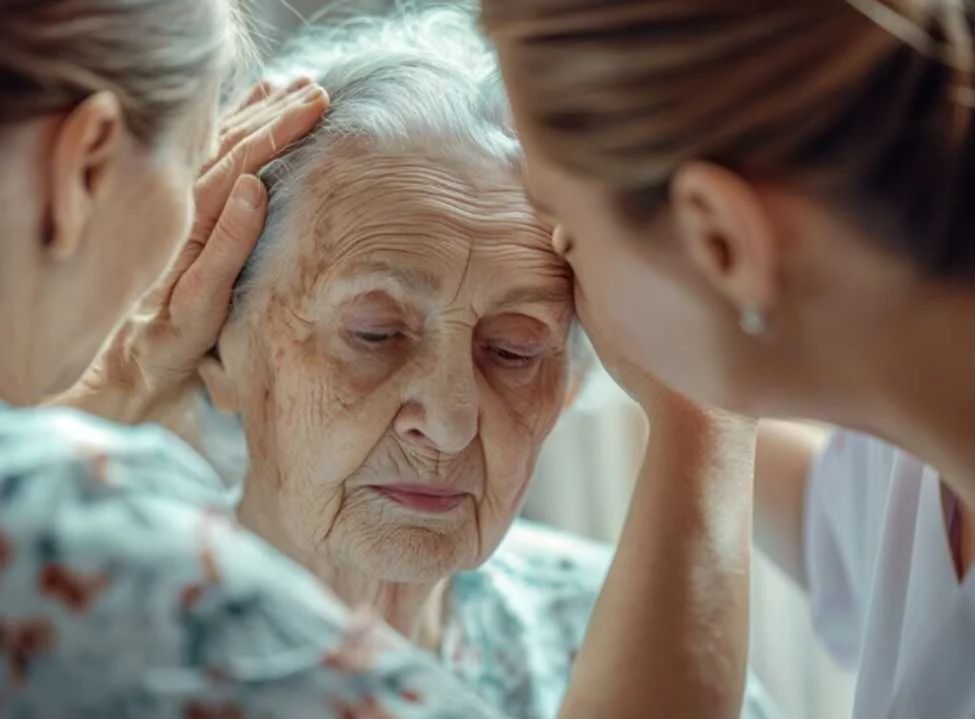
Dementia is an umbrella term for changes in memory and thinking that interfere with daily life. Alzheimer’s disease is its most common cause. Others include vascular dementia and Lewy body dementia.
The distinction matters to physicians. At home, the practical question is simpler: what does this person need today? Dementia care services focus on that question rather than the label.
What Does Day-to-Day Dementia Care Look Like?
Routine is one of the most useful tools in dementia care. Familiar sequences lower anxiety, and fewer surprises mean fewer hard moments. Good days often follow steady habits:
- Consistent meal, medication, and rest times
- Calm, simple instructions, one step at a time
- Gentle redirection instead of correcting or arguing
- Safe walkways, secure doors, and attention to wandering risk
- Meaningful activity, from music to folding laundry together
Late afternoons can be harder for many people. Often called sundowning, evening restlessness is common, so caregivers plan calmer routines for that window.
What Does Transportation Look Like Across Southwestern Pennsylvania?
In much of southwestern Pennsylvania, specialist offices are a drive away, often toward Washington, Greensburg or Pittsburgh. NEMT services in Pennsylvania take that drive off a family’s plate.
That means no hunting for parking, no worrying about traffic, and no relying on a neighbor’s goodwill every week.
How Are Caregivers Matched and Trained?
Caregivers are trained in dementia and Alzheimer’s support, including safety-focused routines and gentle redirection. Matching considers personality and experience, because trust builds slowly and a familiar face matters more with memory loss.
Wells Premium Healthcare Services supports adults age 18 and older, including younger people living with early-onset Alzheimer’s. Care is private pay and billed hourly, so families can begin with a few visits a week and add hours as needs grow.
What Support Exists in Southwestern Pennsylvania?
Local Area Agencies on Aging offer caregiver support programs that primary caregivers of adults with chronic dementia may qualify for. In Washington County, for example, that is the Southwestern Pennsylvania Area Agency on Aging. Alzheimer’s home care in Pennsylvania works alongside that help, covering the daily hours programs alone cannot.
Small details matter in a close-knit borough, from the pharmacy a client trusts to the route that feels familiar.
Frequently Asked Questions
When is it time to bring in help for a parent with memory loss?
Common signs include missed medications, unsafe wandering, spoiled food left out, and growing exhaustion in the family caregiver. Help does not need to wait for a crisis. Starting with a few hours a week often makes the next stage easier for everyone.
Is dementia care at home the same as memory care in a facility?
No. Memory care is a residential setting. Home-based support brings caregivers into the familiar surroundings that often keep a person calmer. Many families choose home care for as long as their loved one can be kept safe there, and revisit the plan as needs change.
Can caregivers help someone who resists bathing or medication?
Yes. Caregivers use calm, patient approaches, such as simplifying steps, offering choices, and choosing the time of day when cooperation is best. Persistent resistance should also be shared with the client’s physician, since pain or illness can be a hidden cause.
Do you accept insurance or Medicare?
Care is private pay and billed hourly. Families can check whether a long-term care insurance policy reimburses private duty care. Medicare generally does not pay for ongoing non-medical personal care at home, so confirming coverage early helps families plan with fewer surprises.
Can younger adults with early-onset Alzheimer's receive care?
Yes. Clients are supported from age 18 and up, and early-onset Alzheimer’s can begin before 65. Care plans consider work history, family responsibilities, and the energy of a younger adult, rather than applying a template built only for seniors. Families can talk through these details before care begins.
Care That Keeps the Person at the Center
Steady routines, patient communication, and constant respect define good Alzheimer’s and dementia care. Wells Premium Healthcare Services helps Pennsylvania families keep loved ones safe and comfortable at home.